
Beyond the Nuisance: How Weeds Benefit Ecosystems and People
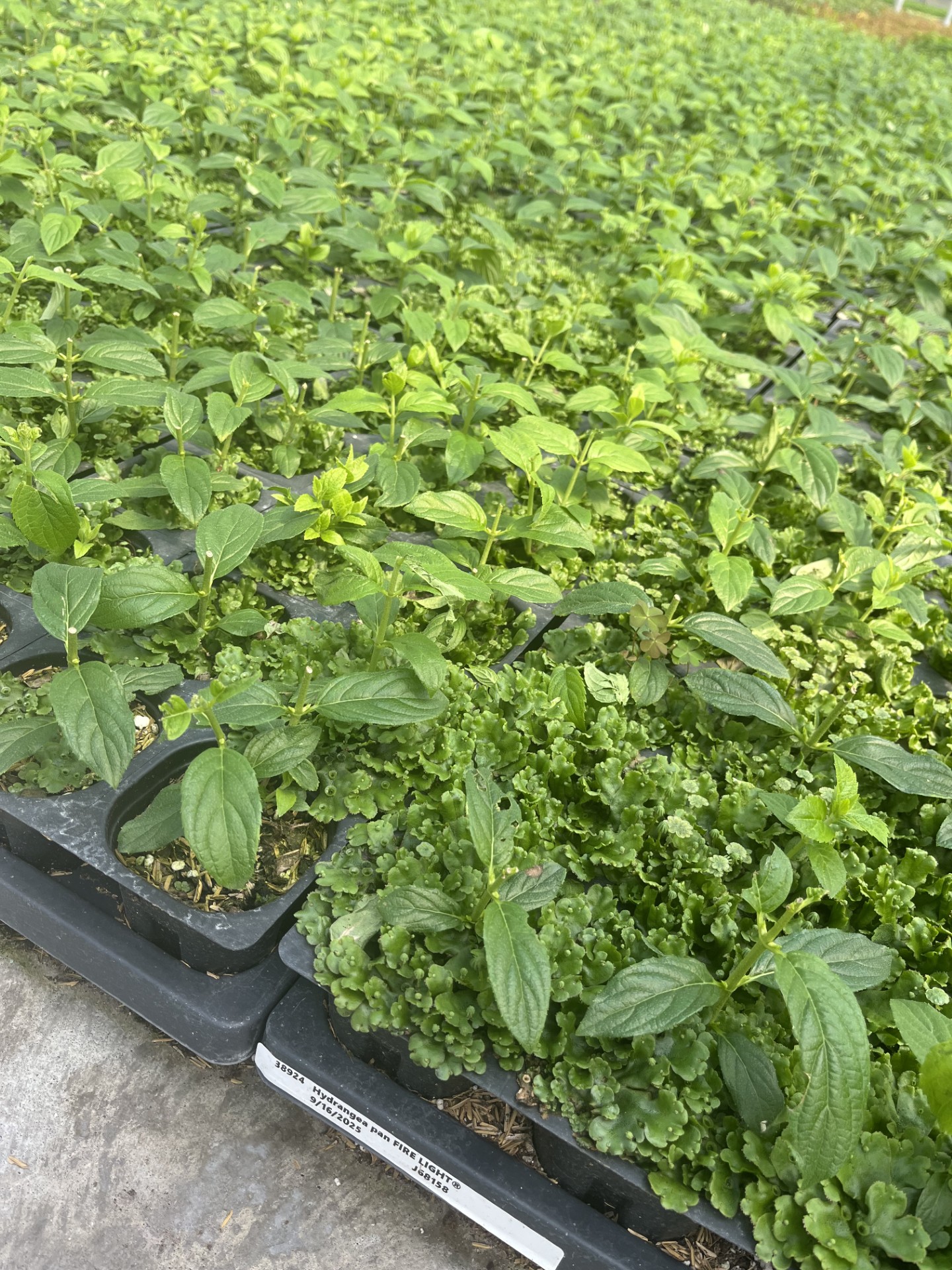
Weeds are usually defined by the harm they cause when they
compete with crops for light, water, nutrients, and space. Although controlling
damaging infestations remains essential, this blog discusses that weeds should
not be viewed only as enemies. Many are resilient plants whose ecological
functions, useful traits, and practical products may support more sustainable
and climate-resilient agriculture.
Genetic and Product Resources. Because weeds survive
drought, poor soil, heat, cutting, disturbance, and low-input conditions, they
may contain traits useful for crop improvement, including stress tolerance,
rapid regrowth, and environmental adaptability. Using these traits is
technically difficult because desirable genes may be linked to unfavorable
characteristics, but weeds broaden the genetic resources available to plant
breeders. Numerous weed species also have medicinal, nutritional, and
industrial value. Research documents their use in traditional medicine,
pharmaceuticals, essential oils, and foods rich in vitamins, minerals,
antioxidants, flavonoids, and phenolic compounds.
Ecosystem Services. A moderate and carefully managed
weed presence can support farm biodiversity by providing pollen, nectar, food,
shelter, and breeding habitat for pollinators, beneficial insects, seed
predators, and natural enemies of crop pests. Studies indicate that weeds can
strengthen pollination, biological pest control, and soil activity and, under
some conditions, improve ecological multifunctionality without reducing
productivity. These benefits depend on keeping weed populations below levels
that threaten crops or ecosystems.
Environmental and Biomass Uses. Some weeds can
absorb, accumulate, or stabilize heavy metals and other contaminants, making
them candidates for phytoremediation and low-cost treatment of polluted soils
and wastewater. Fast-growing weeds can also supply biomass for biofuel, biogas,
compost, green manure, and biochar. Converting troublesome vegetation into
useful products may reduce waste while contributing organic matter and
nutrients to agricultural systems.
Management Implications. The goal is not to tolerate
every weed or allow invasive species to dominate. Instead, growers,
researchers, and land managers should distinguish harmful weed pressure from
useful plant diversity. Judicious management can protect yields while allowing
selected species or harvested biomass to contribute genetic material, ecosystem
services, environmental cleanup, and value-added products. In this perspective,
a weed may be less a worthless plant than a useful plant growing in the wrong
place.
Debalina Saha
Associate Professor, Michigan State UniversityDebalina Saha is an Associate Professor of ornamental weed management in the Department of Horticulture at Michigan State University. She has an appointment in research, teaching, and Extension. Debalina provides statewide weed identification and management recommendations for ornamental plant production in greenhouses, nurseries, landscapes, and Christmas tree production. The primary goal of her research program is to improve upon current weed control practices and develop new effective methods of weed control using an integrated approach that involves both chemical and non-chemical strategies.